

I hope you have had a good month so far.
I’ve had a busy few weeks between school, work and travel (for work).
I got to enjoy some sun in Seattle, which funny enough is known for it’s rain.
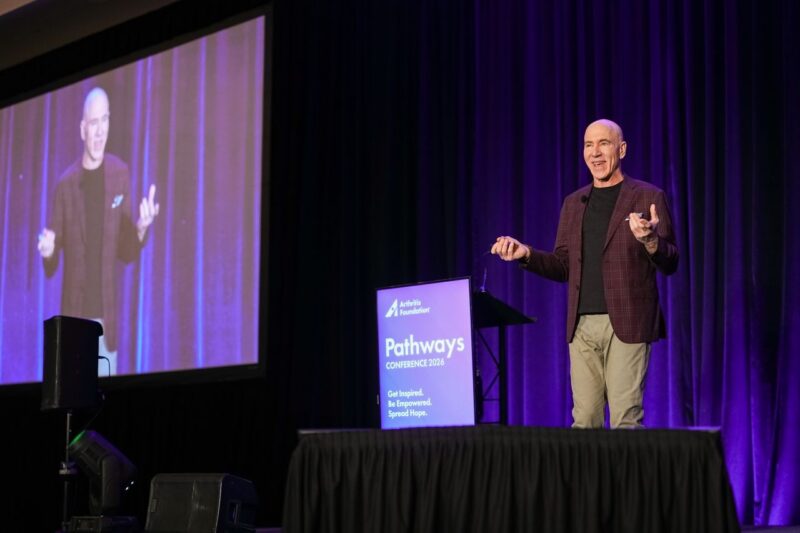
I was so fortunate to speak at the Arthritis Foundation’s annual Pathways Conference on a topic I’m very passionate about – Passion into Impact: Turning What You Care About into Action that Changes Lives.
I’ll make sure to share a few insights and highlights from it in the future.
As I’ve been traveling around, one of the things that I’ve been reflecting on lately, with everything going on in the world, is how we can elevate dialogue as both listener and speaker—and as someone who speaks for a living, I have some thoughts on that!
What’s more important? Intention or Impact?
There’s been a lot of discussion the last number of years about how the impact of what you say is more important than the intent behind what you say.
While I sometimes agree with that (see below), the problem with this in the workplace is that it puts all of the emphasis on the person who is speaking and gives no responsibility to the listener.
And then the dialogue breaks down.

Here are a few things you can try out:
What I’ve found, 9 times out of 10, in our work and personal lives, is that most people aren’t intentionally saying something to tick you off or to get your back up.
Sometimes people just aren’t clear on how to express themselves.
When we want to spark action in others, we may be passionate about our ideas, or unsure how to present them.
And guess what? Sometimes we say things that come out the wrong way. (I have LOTS of experience with that! 😊)

Engaging others is a two-way street.
When both parties focus on the spirit of intent around what the other is saying, it keeps the dialogue open so you can have a conversation about what was said, make apologies if appropriate, and move on.
BONUS: It helps both parties de-escalate a situation and continue to stay engaged in the dialogue.
Next time you’re in a conversation and something sets you off, ask yourself, “Is this person intentionally doing this?”
Most likely the answer will be no.
In this case, you might suggest an alternate way to phrase things, or explain why the language they chose could result in misunderstandings… or worse.
As a side note:
1. As the speaker: You can’t use “It wasn’t my intent!” as an excuse if you continue to say things that impact the listener negatively.
Eventually, you do have to address this by changing your language.
2. As the listener: If the other person’s intent is to negatively affect you, then that must be addressed appropriately.
No one has to put up with that!
Say This, Not That
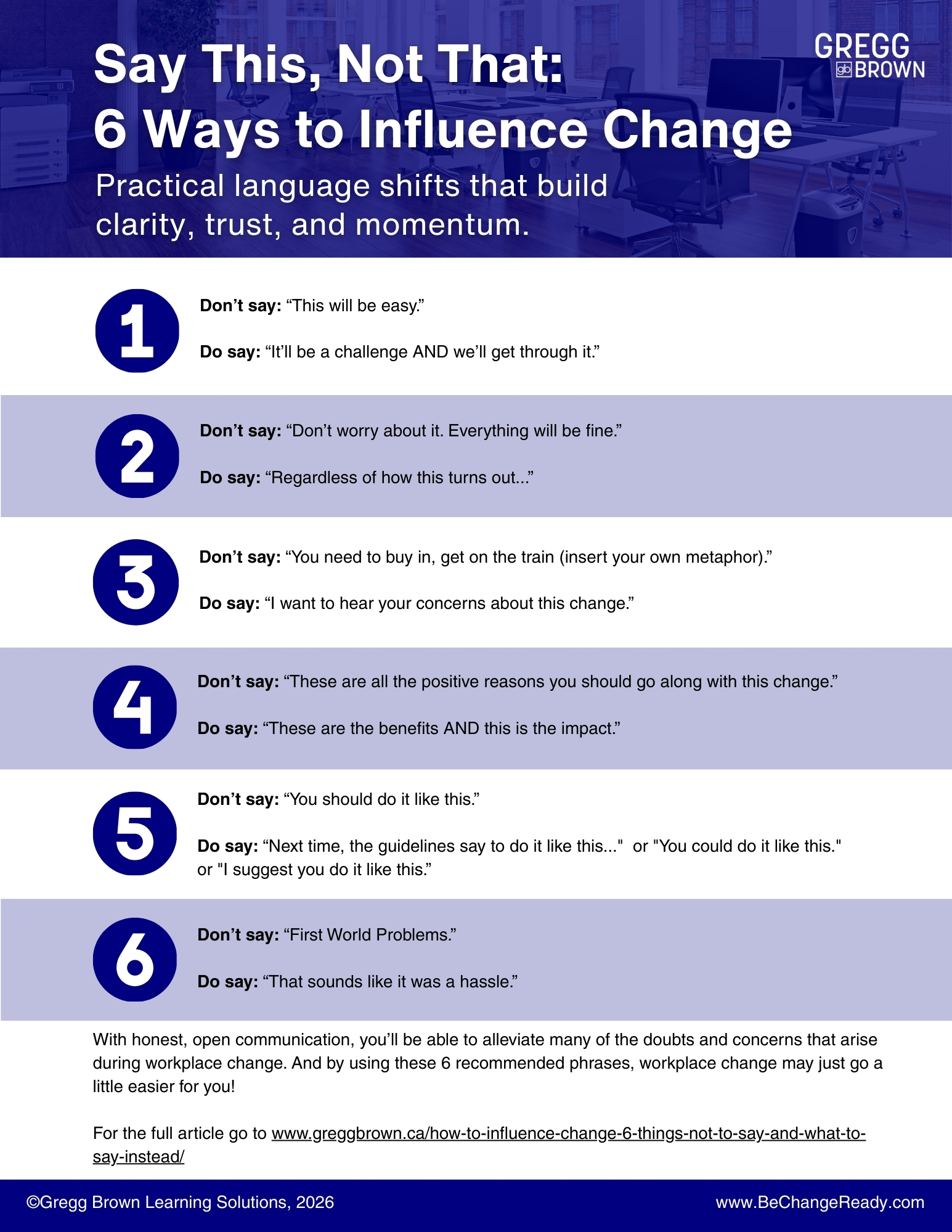
In the workplace, one of the most important things you can do is to create an environment in which your colleagues can participate, contribute, and be honest—even when it’s uncomfortable.
Which is why being intentional with your language isn’t a soft skill—it’s a hard and important leadership one.
To help, I’ve created a simple infographic with practical language shifts you can use right away.
DOWNLOAD
Where do you land in the intent vs. impact debate? I’d love to know what you think.
And thank you for reading! For more leadership insights, check out the articles, videos, and podcasts on my website.