
Can data alone inspire others to take action? The short answer is no. Data is certainly important, and having the facts and figures to back you up is never a …

Below you'll find a list of all posts that have been categorized as “Media”
Can data alone inspire others to take action? The short answer is no. Data is certainly important, and having the facts and figures to back you up is never a …

This happened to a friend last week. Actually, that’s not true. It was me. Not sure why I was saying “a friend,” but I think I was trying to distance …
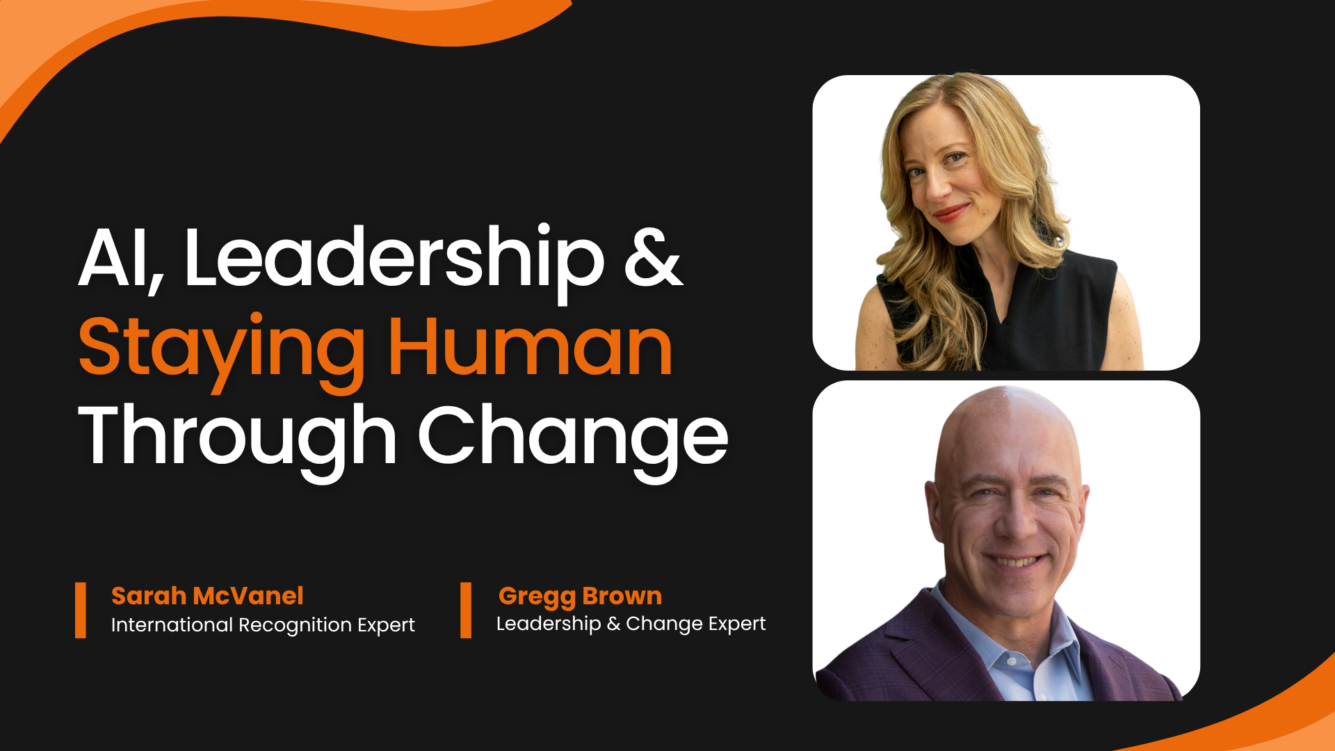
AI, Leadership and Staying Human Through Change AI is changing how we work, but the bigger leadership challenge is helping people adapt, build confidence and continue to see the value …

In this episode of GRAFIK CONTENT, I joined Gio Petrucci for a conversation that starts with leadership and entrepreneurship… and quickly becomes about purpose, resilience, legacy, and what it really …

Did you know that you have the power to shape the weather? I don’t mean the weather outdoors, although I’m sure we’d all love it if we could control …

Want people to tell you the truth? Then they need to believe it’s safe to do so. A team can look open, collaborative, and high-performing on the surface while people …

You know the type. No matter what’s falling apart, they’re beaming. “Good vibes only!” Good for them, honestly. (I’m not one of them.) But there’s a point where staying positive …

I’ve heard this a lot lately. We hold back or we hold our teams back because “We aren’t ready.” So we wait until things feel solid, until the risks feel manageable. And …

What if people are not resisting change as much as they are trying to make sense of it? I recently joined Anita Gouveia and Chinwe Grace Jones on the Development …

We’ve all been sold a version of “leadership” and “change” that sounds good in theory: Stay positive. Keep people focused on the opportunity. Project confidence even when you don’t feel …